
The Stone Age
Millions of years of human history.
The Stone Age is a hugely important time in the advancement of human evolution and innovation.
The start of the Stone Age is at present estimated to be 3.2 million years ago when the first stone tools were used in Africa.
In England we have evidence of human footprints at Happisburgh in Norfolk dating from 400,000 years ago. (link to external website)
This section still under development.
The Palaeolithic Stone Age
This is the era in which humans develop, and the "Cave People" of the Stone Age exist.
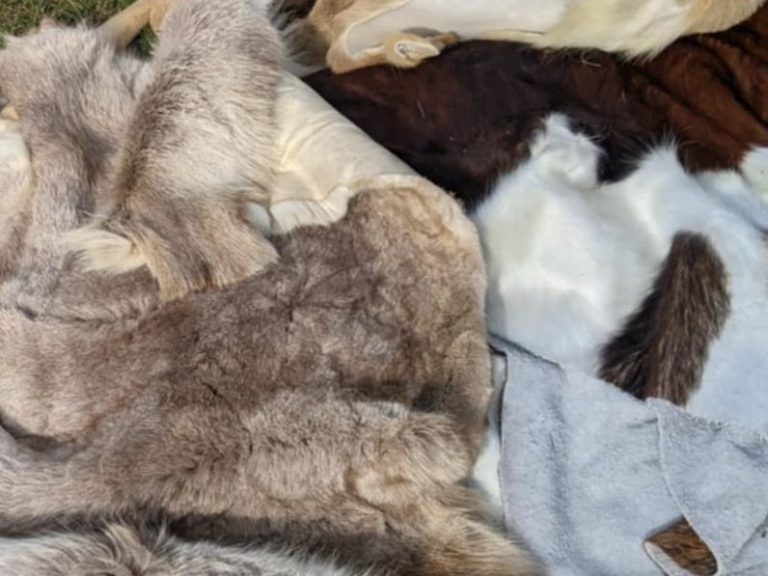
In this era we see the development of clothing, complex community groups, the expansion of trade networks across the globe and the refinement of stone tools under master-craftspeople. It is a sophisticated era with nothing primitive about being able to make everything you need from your environment to survive.
Cave Art
Explore mark making and the significance of cave painting.
Why did they spend time making this image? What does it say about their way of life and what is important to them?
Some cave art is thought to be a map, some only comes to life with the flickering light of a flame.
Stone tools
Early stone tools are for cutting meat off carcases which early humans might not have killed themselves.
Stones were large and sometimes serrated on only one edge showing they were hand-held.
Evolution of humans
The Early Palaeolithic shows early humans migrating out of Africa.
The Middle Palaeolithic with the development of fire, brains growing, hunting, community groups and even complex burial practises.
The Upper Palaeolithic reveals Homo Sapiens as we are today, cave art, refined stone tools, large trade networks and global expansion of people.
The start of language
It is thought that the need to teach other people skills, such as shaping flint into tools, aided the development of more complex language and speech.
How would you instruct someone to light a fire in a stone age way?
Palaeolithic Activities
Cave Art
Way-finding was an important navigational skill.
- Narrate a journey using landmarks from the route.
- Draw a journey using landmarks from the route.
- What about a journey to another part of the school - will your class-mates be able to follow your way-finding map?
The Mesolithic Stone Age
This is the era of the hunter gatherer
In this era we see people move through seasonal harvesting areas. They would follow animal migration to hunt herds.
For housing temporary structures were built as
Cave Art
Explore mark making and the significance of cave painting.
Why did they spend time making this image? What does it say about their way of life and what is important to them?
Some cave art is thought to be a map, some only comes to life with the flickering light of a flame.
Stone tools
Early stone tools are for cutting meat off carcases which early humans might not have killed themselves.
Stones were large and sometimes serrated on only one edge showing they were hand-held.
Evolution of humans
The Early Palaeolithic shows early humans migrating out of Africa.
The Middle Palaeolithic with the development of fire, brains growing, hunting, community groups and even complex burial practises.
The Upper Palaeolithic reveals Homo Sapiens as we are today, cave art, refined stone tools, large trade networks and global expansion of people.
The start of language
It is thought that the need to teach other people skills, such as shaping flint into tools, aided the development of more complex language and speech.
How would you instruct someone to light a fire in a stone age way?
The Neolithic Stone Age
This is the era in which humans develop, and the "Cave People" of the Stone Age exist.
In this era we see the development of clothing, complex community groups, the expansion of trade networks across the globe and the refinement of stone tools under master-craftspeople. It is a sophisticated era with nothing primitive about being able to make everything you need from your environment to survive.
Cave Art
Explore mark making and the significance of cave painting.
Why did they spend time making this image? What does it say about their way of life and what is important to them?
Some cave art is thought to be a map, some only comes to life with the flickering light of a flame.
Stone tools
Early stone tools are for cutting meat off carcases which early humans might not have killed themselves.
Stones were large and sometimes serrated on only one edge showing they were hand-held.
Evolution of humans
The Early Palaeolithic shows early humans migrating out of Africa.
The Middle Palaeolithic with the development of fire, brains growing, hunting, community groups and even complex burial practises.
The Upper Palaeolithic reveals Homo Sapiens as we are today, cave art, refined stone tools, large trade networks and global expansion of people.
The start of language
It is thought that the need to teach other people skills, such as shaping flint into tools, aided the development of more complex language and speech.
How would you instruct someone to light a fire in a stone age way?